

Trump Urges Hormuz Deployment, Cites “45,000 US Troops in South Korea”
Actual US Forces in South Korea: 28,500
“Hopes Japan, Germany Join”
“Oil Prices Will Drop Quickly Once Iran Issue Is Over”, ,
, ‘On the 16th (local time), U.S. President Donald Trump reiterated his call for countries like South Korea to join in the operations to escort ships passing through the Strait of Hormuz. He particularly pressured countries with substantial US military presence, like South Korea and Japan, to make a decision on deployment.’,
,
, ‘In a statement at the White House, President Trump said to reporters, “We have 45,000 troops in Japan. We also have 45,000 troops in South Korea. In Germany, we have 45,000 to 50,000 troops,” he stated.’,
,
, ‘However, Trump’s remarks on the size of US troop deployments in these countries are not accurate. There are 50,000 US troops in Japan, 28,500 in South Korea, and 35,000 in Germany. This suggests that Trump exaggerated the figures to apply pressure.’,
,
,
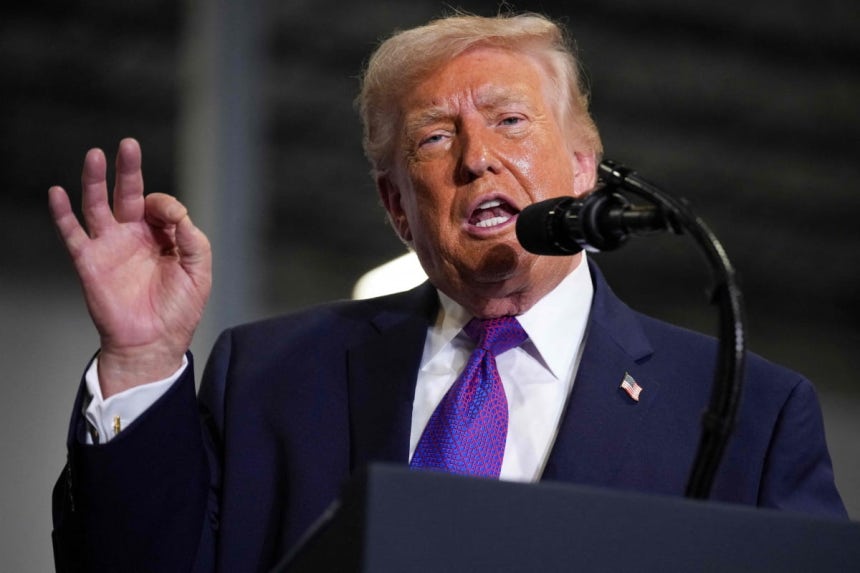
Photo=Yonhap News,
, ‘President Trump said, “We are defending all these countries,” and noted that when asked if they had “mine sweepers,” they replied, “We may not be involved.” He further stated that “they not only need to thank us but also assist us. The surprising thing is that they are not so proactive. There are a few countries, and their names will soon be announced,” he added.’,
,
, ‘On the 14th, President Trump mentioned five countries—South Korea, China, Japan, the UK, and France—requesting the dispatch of warships to the Strait of Hormuz.’,
,
, ‘Before a luncheon with the Trump-Kennedy Center board, he also commented to reporters, “We import less than 1% of our oil through this strait (Strait of Hormuz), but some countries procure much more.” He continued, “Japan imports 95%, China 90% through (the Strait of Hormuz), and several European countries import significant amounts. South Korea imports 35%,” adding, “Therefore, we hope these nations will step up to help with the strait issue.”‘,
,
, ‘However, this data also differs from the actual situation, as further analysis reveals. According to the Korea Energy Economics Institute, as of 2024, the dependency on crude oil imports through the Strait of Hormuz is about 62% for South Korea, 69% for Japan, and 49% for China. The dependency on liquefied natural gas (LNG) is estimated to be 20~30% for South Korea and Japan, and around 25% for China. For the USA, approximately 7% of its oil imports are understood to have passed through the Strait of Hormuz in 2024–2025.’,
,
,